

The PMA Curriculum Framework
Developing confident,
creative and independent
musicians
At Premier Music Academy, music education is about more than learning an instrument. Our curriculum develops confident, creative and independent musicians through a carefully designed learning journey that combines technical excellence, musical understanding and artistic expression.
Philosophy
Curriculum
Philosophy
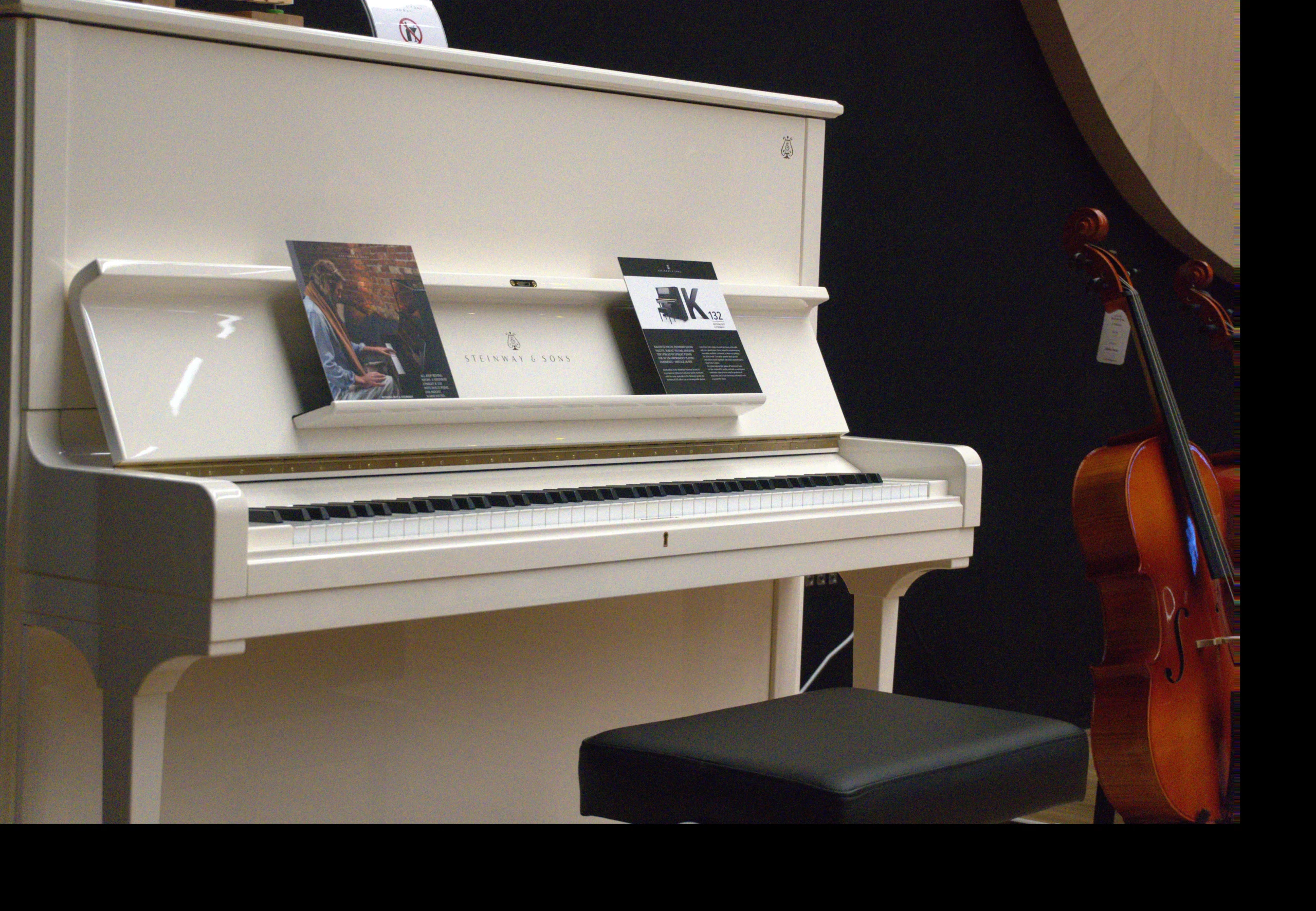
Music education is about far more than learning an instrument or preparing for examinations - it is a lifelong journey of artistic, intellectual and personal growth.
While internationally recognised examination systems such as ABRSM and RSL Awards provide valuable benchmarks for technical progression, the PMA curriculum is not built around examinations alone. These frameworks have been carefully analysed alongside established instrumental pedagogies, conservatoire teaching practices and PMA's own teaching philosophy.
Our goal is to cultivate well-rounded musicians who are technically secure, musically expressive, intellectually curious and capable of engaging with music beyond the examination room.
PMA's approach encourages students to explore music with confidence, creativity and curiosity. Through a balance of technical training, musical understanding and independent expression, students are supported in developing their own voice as musicians while building skills that extend far beyond performance.
Foundation
Our Educational Philosophy
True musical development occurs when technical skills, musical understanding, listening, creativity and independent learning develop together. The curriculum balances:


Methodology
How the Framework Was Built
"Where examination boards focus primarily on assessment, the PMA Curriculum focuses on learning."
Structure
Why six learning strands?
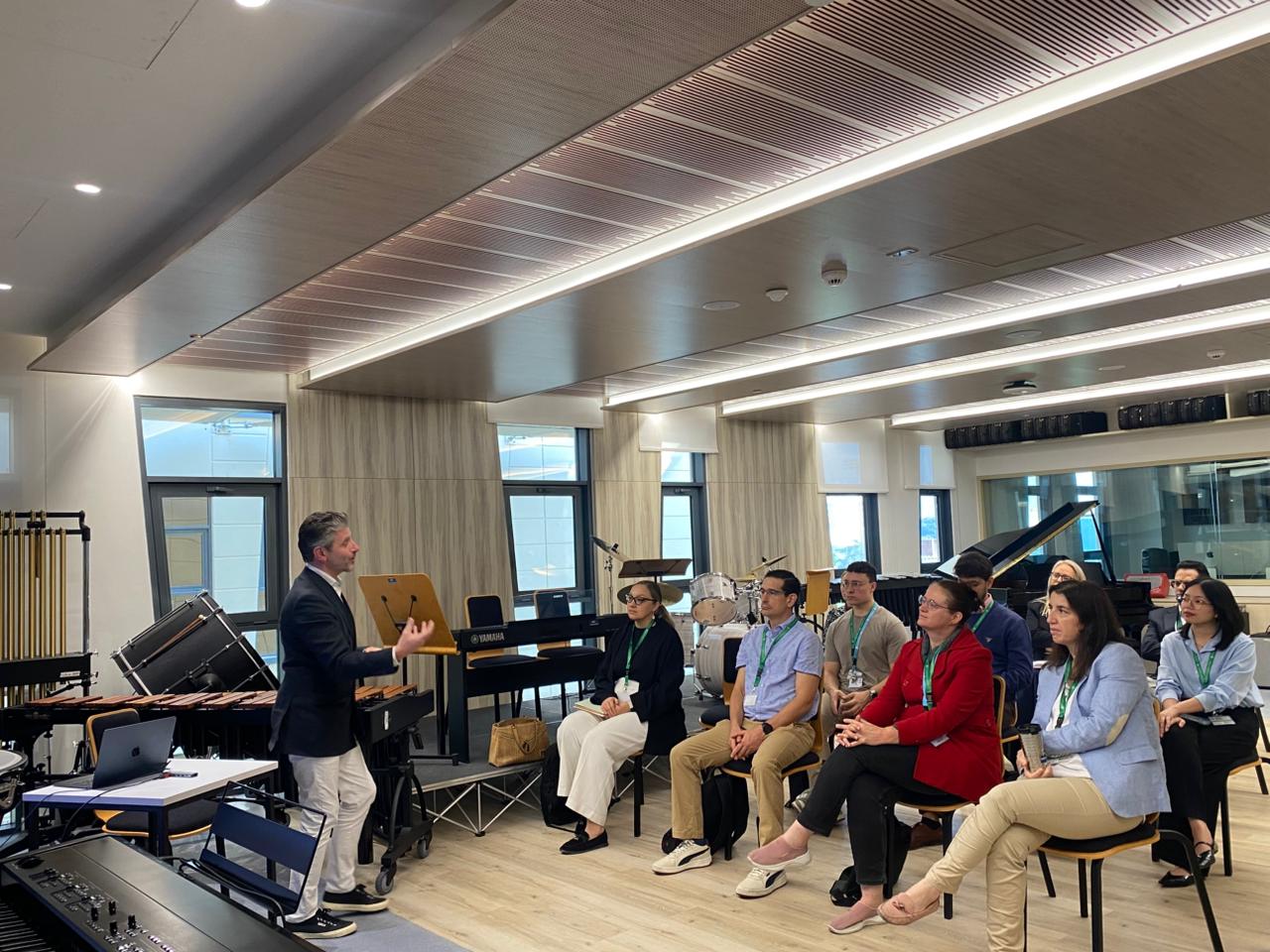
Progression trackers often become lists of isolated technical skills. To address this, all PMA instrumental curricula are organised into six interconnected strands representing the fundamental dimensions of musical development — consistent across every instrument taught at PMA.
The Six Strands
Six Interconnected Strands
01
Technical Development
The physical foundations for confident, healthy performance - posture, coordination, finger technique, scales and technical studies.
02
Music Literacy
Understanding and communicating through written music - notation, rhythm, theory, score reading and sight-reading.
03
Tone Production & Sound Quality
Producing a characteristic, expressive and stylistically appropriate tone through bow control, breath, touch or embouchure.
04
Performance & Repertoire
Building confidence performing through repertoire that reflects increasing technical and artistic maturity.
05
Musicianship & Aural Development
Listening, stylistic understanding, creativity, improvisation and interpretation woven through every stage of learning.
06
Independent Learning & Professional Habits
Productive practice routines, self-organisation, reflection and increasing ownership of musical development.
The Journey
A Developmental Curriculum
Discover
Beginner – Preparatory
Develop
Levels 1–4
Refine
Levels 5–8
Create
Advanced
The Outcome
The PMA Musician
By integrating international standards with instrument-specific pedagogy and a holistic educational philosophy, the PMA Curriculum develops musicians who are:
Written In Every Lesson
The Sound of PMA
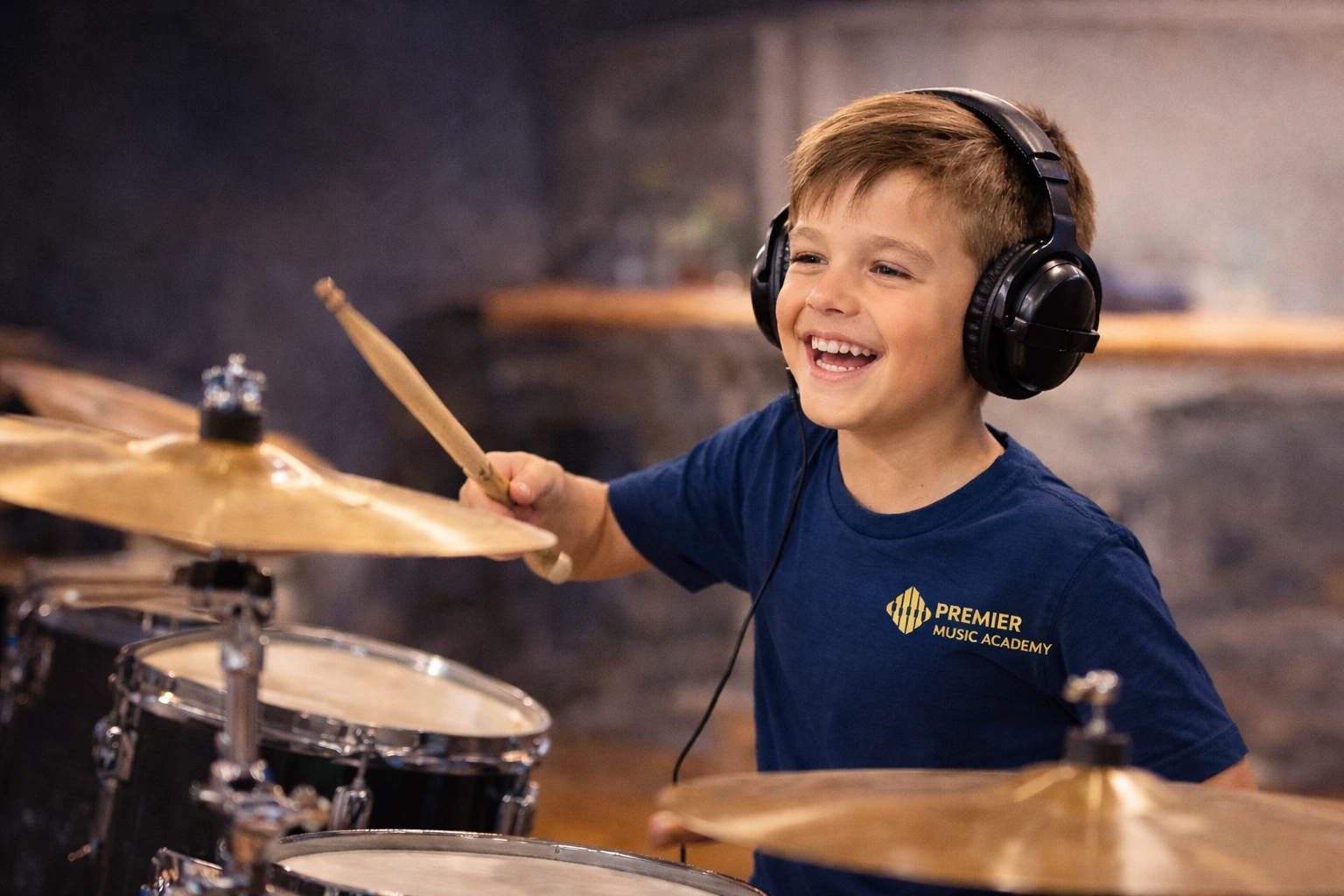
Every strand of this curriculum resolves into the same three things a student actually hears in the room: rhythm, harmony and melody, working together from the very first lesson.
Rhythm
Timing and pulse
Built into technical work from the first strand - steady tempo, subdivision and internal counting, practised before it's tested.
Harmony
Structure and listening
Aural awareness and music literacy grow side by side, so students hear the theory they're reading, not just recite it.
Melody
Voice and expression
Every phase closes with performance and repertoire - the point where technique becomes a student's own musical voice.